

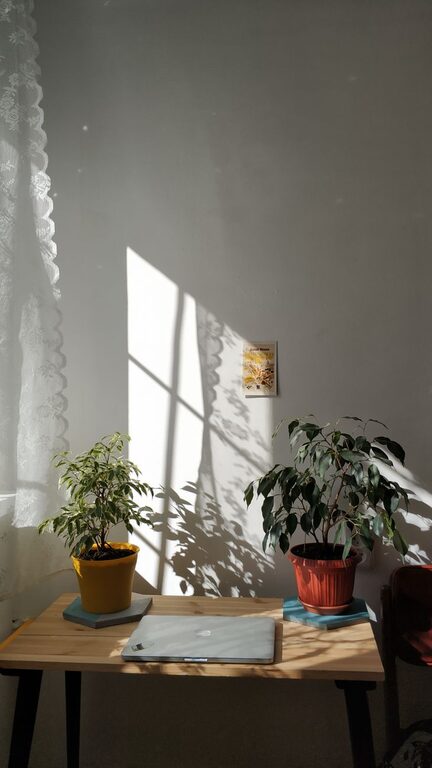
Creating a cozy and inviting home workspace can make a significant difference in your daily comfort and productivity. Whether you work from home full time or occasionally need a quiet corner to focus, a well-designed workspace can inspire creativity and reduce stress. Here are some simple steps to help you set up a space that feels welcoming and tailored to your needs.
Choose the Right Location
Find a Quiet Spot
Select a part of your home with minimal distractions and noise. Ideally, this should be a place where you can concentrate without interruption, such as a spare room, a quiet corner of the living room, or even a nook in your bedroom.
Consider Natural Light
Natural light can improve mood and energy levels. Position your desk near a window if possible. If this isn’t an option, use soft, adjustable lighting to reduce eye strain and keep the atmosphere warm.
Invest in Comfortable Furniture
Ergonomic Chair and Desk
Comfort is key when setting up a workspace. Choose an ergonomic chair that supports your posture to prevent back pain during long hours. An adjustable desk or one that fits your height can help maintain proper posture.
Personalize Your Desk
Keep your desk clean but personalize it with a few meaningful items such as a favorite photo, a plant, or a decorative object that brings you joy while working.
Organize Efficiently
Use Storage Solutions
Clutter can be distracting. Use shelves, drawers, or storage boxes to keep your workspace tidy. Labeling storage containers can help you find things quickly.
Optimize Desk Layout
Arrange your most-used items within easy reach to keep your workflow smooth. Keep cables neat with clips or ties to avoid tangles.
Add Soothing Elements
Bring in Plants
Plants not only brighten up your workspace but also improve air quality and reduce stress. Choose easy-to-care-for varieties like succulents, spider plants, or pothos.
Choose Calming Colors
Soft, neutral tones create a relaxing environment. You might paint the walls a calming color or add accessories and textiles in soothing shades such as pastels or earth tones.
Use Pleasant Aromas
A subtle, natural scent can enhance your workspace mood. Consider using essential oil diffusers or scented candles with fragrances like lavender, eucalyptus, or citrus for a refreshing atmosphere.
Create Good Lighting
Layer Your Lighting
Combine ambient light (overhead lighting) with task lighting (desk lamps) to reduce eye strain and provide adequate illumination for different activities.
Use Adjustable Lamps
Workspace lighting should be flexible. An adjustable desk lamp lets you direct light where it’s needed most, which is important for reading, writing, or video calls.
Incorporate Technology Thoughtfully
Streamline Your Devices
Limit the number of electronic devices on your desk to essentials. Invest in efficient accessories like wireless keyboards, mice, and charging stations to reduce clutter.
Manage Cables
Cable organizers or a cable box can keep cords out of sight. This neatness helps create a calm, distraction-free zone.
Establish Boundaries
Define Your Space
Use rugs, room dividers, or curtains to create a clear boundary between your work area and the rest of your home. This physical separation aids in focusing and switching off when the workday ends.
Set Working Hours
Develop a consistent schedule and communicate it with others in your household to minimize interruptions.
Keep It Personal and Inspirational
Display Motivational Items
Keep quotes, artwork, or objects that inspire you visibly in your workspace. These small touches can boost motivation throughout the day.
Change Things Up Occasionally
Refresh your space periodically by rearranging furniture, updating accessories, or adding a new piece of decor. Small changes keep the workspace feeling new and inviting.
Final Thoughts
Designing a cozy and inviting home workspace doesn’t require a major overhaul. With thoughtful choices about furniture, organization, lighting, and personal touches, you can create a comfortable environment that improves your focus and enjoyment. Remember, your workspace should feel like a place you want to spend time in, so make it your own and adapt it as your needs change over time.